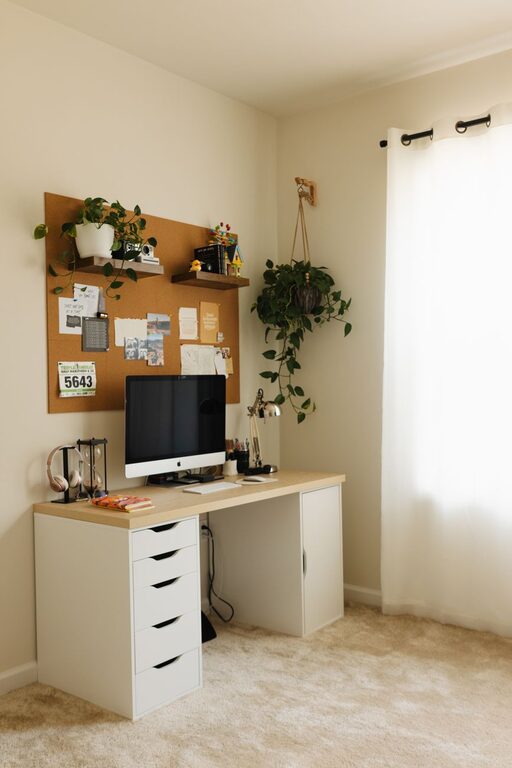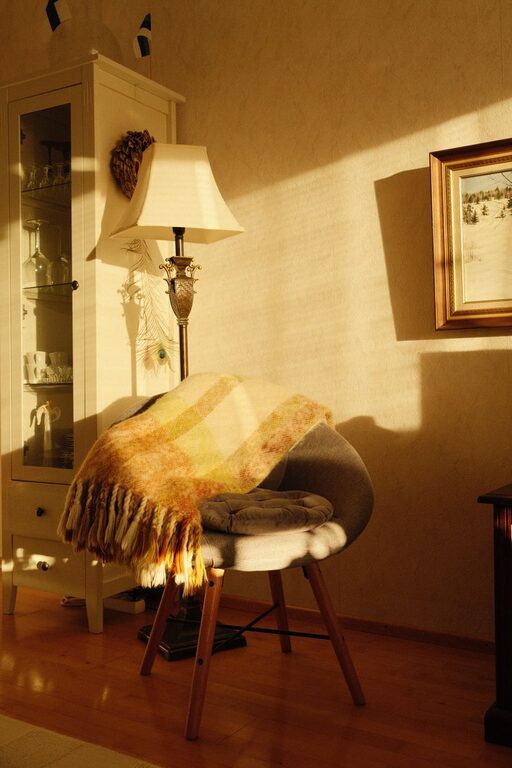


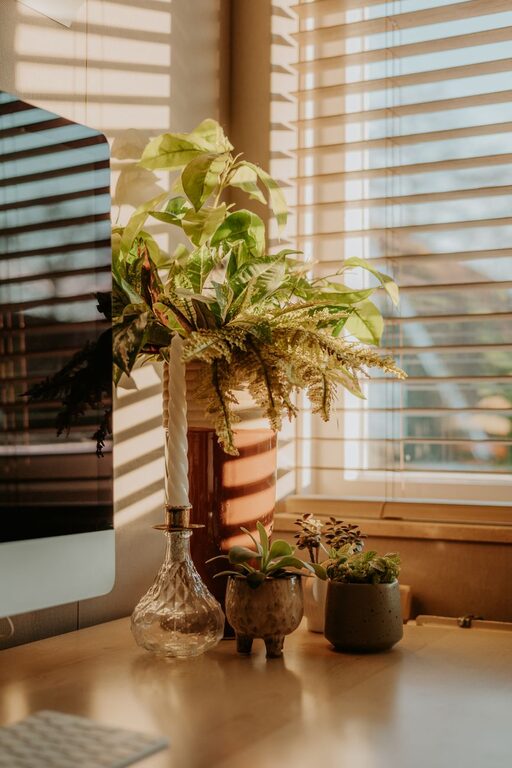
Creating a relaxing home office environment is essential for anyone who spends significant time working from home. A calm, comfortable workspace can help improve focus, reduce stress, and boost overall productivity. Whether you’re setting up a new office or refreshing an existing one, the right changes can make a big difference. Here are practical tips for creating a relaxing home office that supports your work and well-being.
Choose the Right Location
The first step in creating a peaceful workspace is selecting an appropriate spot in your home. Ideally, your home office should be:
– Quiet: Choose a room or corner away from high-traffic areas to minimize noise distractions.
– Well-lit: Natural light is best, so set up near windows if possible. If natural light is limited, invest in good-quality lamps with adjustable brightness.
– Separate from daily living spaces: This helps define work time and personal time, supporting a healthy work-life balance.
If space is limited, use room dividers or screens to create a visual boundary between your office area and the rest of the home.
Invest in Comfortable Furniture
Comfort is key when you spend hours at a desk. Consider the following furniture tips:
– Ergonomic chair: Choose a chair that supports good posture with adjustable height, lumbar support, and comfortable cushioning.
– Desk height: Your desk should allow your arms to rest comfortably at a 90-degree angle while typing or writing.
– Flexible setup: If possible, incorporate a sit-stand desk or a convertible workstation to vary your position throughout the day.
Comfortable furniture helps prevent strain and fatigue, making it easier to stay relaxed and focused.
Declutter and Organize Your Space
A cluttered workspace can increase stress and reduce concentration. Keep your office tidy by:
– Regularly clearing surfaces: Keep only essential items on your desk.
– Using organizers: Drawer dividers, file holders, and desk trays help keep papers and supplies in order.
– Minimizing digital clutter: Organize files on your computer and desktop to reduce distractions.
Keeping your workspace clean and organized creates a more peaceful atmosphere and makes it easier to find what you need quickly.
Personalize Your Workspace with Calming Elements
Adding personal touches can enhance the comfort of your home office. Consider:
– Plants: Indoor plants improve air quality and add a natural, calming vibe.
– Artwork: Choose pictures or prints that inspire or relax you, such as nature scenes or abstract art.
– Soft textiles: A cozy rug or a comfortable throw can add warmth and softness to the room.
Your workspace should feel inviting and reflect your personality, making it a place you enjoy spending time.
Manage Lighting for Comfort and Eye Health
Lighting affects mood and eye comfort, so pay attention to these details:
– Maximize natural light: Position your desk to benefit from window light but avoid glare on screens.
– Use layered lighting: Combine overhead lighting with task lamps for balanced illumination.
– Adjust color temperature: Warmer tones help create a relaxing atmosphere, while cooler tones promote alertness. Use cooler light during work hours and switch to softer lighting later in the day.
Good lighting reduces eye strain and helps maintain energy levels throughout the workday.
Control Noise and Distractions
Reducing noise and interruptions is vital for maintaining a relaxed focus. Try these strategies:
– Soundproof your space: Use rugs, curtains, or acoustic panels to absorb sound.
– White noise machines or apps: These can mask distracting background noises.
– Set clear boundaries: Communicate your work hours with family or housemates to minimize interruptions.
Creating a quiet workspace supports concentration and lowers stress.
Incorporate Break Zones and Movement
Sitting for long periods can cause tension and fatigue. Encourage relaxation by:
– Creating a small break area: Include a separate chair or cushion where you can stretch or take short breaks away from the desk.
– Adding movement reminders: Use timers or apps to remind you to stand, stretch, or walk every hour.
– Practicing simple stretches: Gentle neck, shoulder, and wrist stretches can relieve tension and improve circulation.
Regular movement and breaks help keep your body and mind refreshed during long work sessions.
Use Pleasant Scents and Sounds
Sensory elements can influence how you feel in your workspace:
– Aromatherapy: Essential oils like lavender, eucalyptus, or peppermint can promote relaxation and focus. Use a diffuser to distribute scent gently.
– Calming music or nature sounds: Low-volume instrumental music or nature recordings can create a soothing background and improve concentration.
Be mindful not to overdo scents or sounds, and choose options that suit your preferences without becoming distracting.
Maintain Healthy Air Quality
Good air quality contributes to comfort and well-being. Consider:
– Ventilation: Open windows regularly or use fans to promote airflow.
– Air purifiers: These help reduce allergens, dust, and odors.
– Houseplants: Some plants purify the air naturally.
Fresh air reduces headaches and fatigue, supporting a relaxed state during work.
Establish a Daily Routine
Finally, the environment is only part of the equation. A consistent routine can make your home office feel more relaxing and organized:
– Set regular work hours: Having clear start and stop times helps separate work from personal life.
– Create rituals: Small habits, like a morning coffee or a brief meditation before starting, can signal the beginning of the workday.
– End your day mindfully: Take a few minutes to tidy your workspace and plan for tomorrow.
A routine helps your mind prepare for work and unwind afterward, enhancing overall relaxation.
—
Creating a relaxing home office environment involves thoughtful choices about location, furniture, lighting, organization, and sensory elements. With these tips, you can design a space that supports your productivity while keeping stress levels low. A peaceful workspace not only benefits your work but also contributes to your daily well-being. Take the time to customize your office to your needs and preferences—your mind and body will thank you.