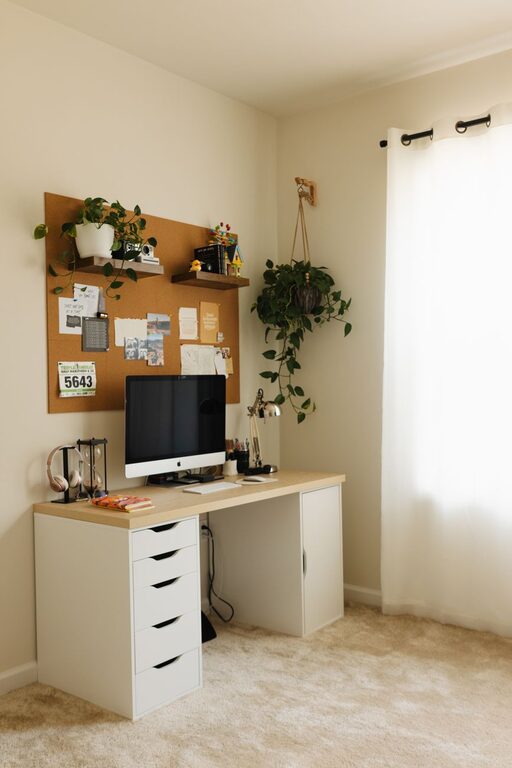


Creating a productive and inviting home workspace is essential for anyone working or studying from home. A well-designed area can boost your focus, reduce stress, and improve your overall work experience. Whether you have a dedicated room or just a small corner, the following tips will help you set up a space that encourages productivity and feels comfortable.
Choose the Right Location
The first step in creating a great workspace is selecting the right spot. Consider these factors when choosing your location:
– Natural Light: Aim for a space near a window to get plenty of daylight. Natural light can increase alertness and mood.
– Quiet Environment: Find a quiet corner free from distractions such as TV noise or heavy traffic sounds.
– Room to Move: Ensure there is enough space for your desk, chair, and any equipment or supplies you need.
If a dedicated room isn’t available, use room dividers or screens to create a defined work area.
Invest in Comfortable and Functional Furniture
Comfort and functionality play a crucial role in your productivity and health. Keep these points in mind:
– Ergonomic Chair: Choose a chair that supports your back and encourages good posture. It should be adjustable to fit your height.
– Desk Size: Your desk should be large enough to hold your computer, keyboard, and other essentials without feeling cluttered.
– Standing Options: Consider a sit-stand desk or a standing desk converter to vary your posture throughout the day.
Investing in quality furniture may feel costly upfront but often pays off through greater comfort and efficiency.
Organize Your Workspace
An organized area helps you focus and saves time looking for items. Here are several organizing tips:
– Declutter Regularly: Keep only what you need on your desk. Store supplies and documents in drawers or boxes.
– Cable Management: Use clips, ties, or a cable organizer to keep cords neat and untangled.
– Use Trays and Holders: These keep stationery, papers, and electronics orderly.
– Labeling: Label storage boxes or drawers to make it easy to find things.
A tidy workspace also contributes to a calm, clear mindset.
Personalize Your Space
While keeping it functional, adding personal touches can make your workspace inviting and enjoyable:
– Plants: Indoor plants add color and improve air quality. Low-maintenance plants like succulents are ideal.
– Artwork or Photos: Decorate with inspiring images or photos that motivate you.
– Lighting: A desk lamp with adjustable brightness helps you avoid eye strain and sets a cozy ambiance.
– Comfort Items: A soft cushion, a cozy throw blanket, or a favorite mug can make your space feel welcoming.
Personalizing your environment makes it more pleasant to spend time there.
Minimize Distractions
Reducing distractions is key to maintaining focus. Here’s how to create a distraction-free workspace:
– Turn Off Non-Essential Notifications: Silence phone or app alerts during work periods.
– Use Noise-Canceling Headphones: These help block background noise if you can’t control your environment.
– Set Boundaries: Communicate with family or housemates about your work schedule and the need for quiet during focused times.
– Keep Your Workspace Separate: Avoid working in bed or on the couch, which can blur work-life boundaries.
By controlling your environment, you can better control your concentration.
Optimize Technology and Tools
Having reliable technology and the right tools improves workflow and reduces frustration:
– Upgrade Your Internet: A stable, fast internet connection supports video calls, downloads, and research without interruptions.
– Use External Monitors: Larger or multiple screens increase screen real estate and reduce eye strain.
– Keep Software Updated: Ensure your applications and operating system are up to date for security and functionality.
– Use Productivity Apps: Tools like task managers, calendars, and note apps help organize your day.
Setting up your tools properly ensures smoother workdays.
Maintain Healthy Habits
Lastly, your workspace should encourage healthy working habits:
– Take Breaks: Follow the Pomodoro technique or set timers to remind yourself to stretch or move every hour.
– Stay Hydrated: Keep a water bottle nearby to stay hydrated throughout the day.
– Proper Posture: Adjust your chair and monitor height to keep your neck and back in a neutral position.
– Eye Care: Use the 20-20-20 rule: every 20 minutes, look at an object 20 feet away for 20 seconds.
Promoting wellness at your workspace supports long-term productivity.
—
By thoughtfully creating a workspace that balances comfort, organization, and inspiration, you can turn any home office into a productive and inviting place to work. Making small changes can have a big impact, so start with one or two tips and build from there. Happy working!