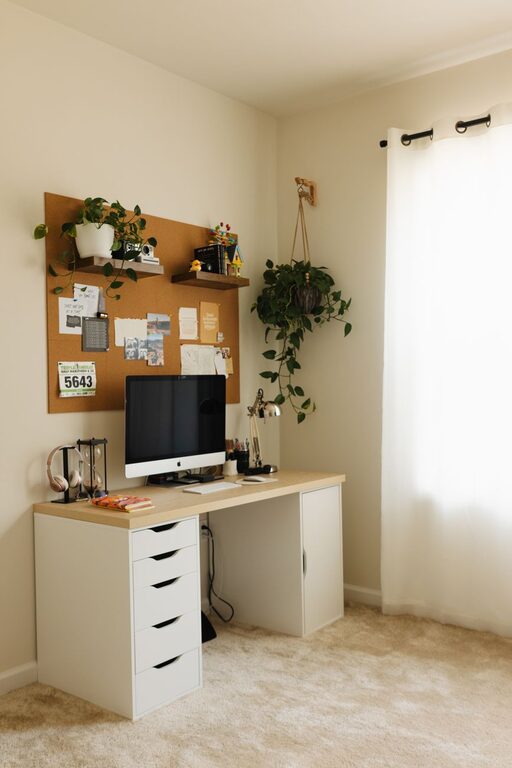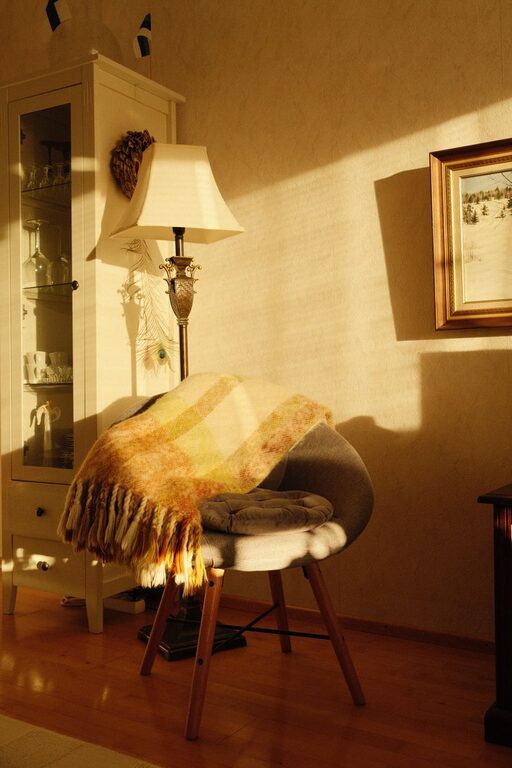


Creating a clutter-free home office is essential for maintaining focus and boosting productivity. A well-organized workspace reduces stress, improves efficiency, and even encourages creativity. Whether you have a dedicated room or a small corner of your home, these tips will help you create an inviting, orderly office setup that supports your professional goals.
Why Organize Your Home Office?
A cluttered environment can lead to distractions and wasted time searching for important documents or tools. On the other hand, an organized office promotes a smooth workflow, helps you prioritize tasks, and creates a positive atmosphere that supports your well-being.
Benefits of a Clutter-Free Workspace:
– Reduces stress and anxiety
– Saves time and effort
– Improves focus and concentration
– Creates a professional environment for virtual meetings
– Encourages better work habits
Step 1: Declutter Your Space
Before you can organize, start by removing unnecessary items. Take a close look at everything in your office and decide what to keep, donate, or toss.
Quick Decluttering Tips:
– Sort items into categories: Papers, supplies, electronics, and personal items.
– Use the “one-year rule” for documents: If you haven’t needed it in the past year, consider shredding or filing it electronically.
– Clear your desktop: Only keep essential items within arm’s reach.
– Limit decorative items: A few personal touches are fine, but avoid overcrowding surfaces.
Step 2: Choose Functional Furniture and Storage
Having the right furniture makes organizing much easier. Choose pieces that offer both comfort and storage solutions.
Key Furniture Considerations:
– Desk with drawers: Keeps small supplies out of view.
– Shelving units: For books, binders, and decorative items.
– Filing cabinets: Essential for organizing important documents.
– Ergonomic chair: Comfort supports longer work sessions.
Storage containers, like baskets, bins, and drawer organizers, can keep smaller items tidy and accessible.
Step 3: Create an Efficient Layout
Arrange your furniture to maximize your workspace and natural light. A good layout reduces distractions and creates a clear flow.
Layout Tips:
– Position your desk near a window if possible, for natural light.
– Keep frequently used items within easy reach.
– Use vertical space with shelves or wall organizers.
– Keep cords and cables organized with clips or ties to avoid tangling.
Step 4: Use Smart Organizational Tools
There are plenty of tools designed to help maintain an organized workspace.
Helpful Tools:
– Desk organizers: Trays and holders for pens, paperclips, and sticky notes.
– Label makers: Label folders, boxes, and shelves for easy identification.
– Cable management solutions: Prevent messy cords with clips, sleeves, or under-desk trays.
– Digital tools: Use apps for note-taking, task management, and document scanning to reduce paper clutter.
Step 5: Develop Daily Habits to Maintain Order
Organization isn’t a one-time task — it requires ongoing effort. Cultivating simple habits will keep your office clutter-free.
Daily Habits to Try:
– End of day cleanup: Spend 5-10 minutes tidying your desk.
– Sort mail and paperwork immediately: Recycle or file papers daily.
– Limit items brought into the office: Only bring what you need for work.
– Regularly review supplies: Restock essentials, toss expired items.
Step 6: Personalize Without Overcrowding
Adding some personality helps make your office a comfortable place to be, but it’s important to balance this with neatness.
Ways to Personalize:
– Frame a favorite photo or artwork.
– Add a small plant to bring in some greenery.
– Use a decorative lamp or stylish stationery.
– Choose calming colors for walls or accessories.
Remember, the goal is to create a professional, inspiring environment, not a cluttered space.
Step 7: Optimize Lighting and Air Quality
Proper lighting and fresh air contribute greatly to productivity and well-being.
Tips for Lighting and Air Quality:
– Use a mix of natural light and task lighting to reduce eye strain.
– Consider a desk lamp with adjustable brightness.
– Keep windows open when possible to let in fresh air.
– Add an air purifier or some easy-care plants for cleaner air.
—
Final Thoughts
Creating a clutter-free home office takes time and commitment, but the payoff is well worth it. By following these tips, you’ll foster a productive environment that supports focus and efficiency every day. Start small, stay consistent, and enjoy the benefits of an organized workspace tailored to your unique needs.