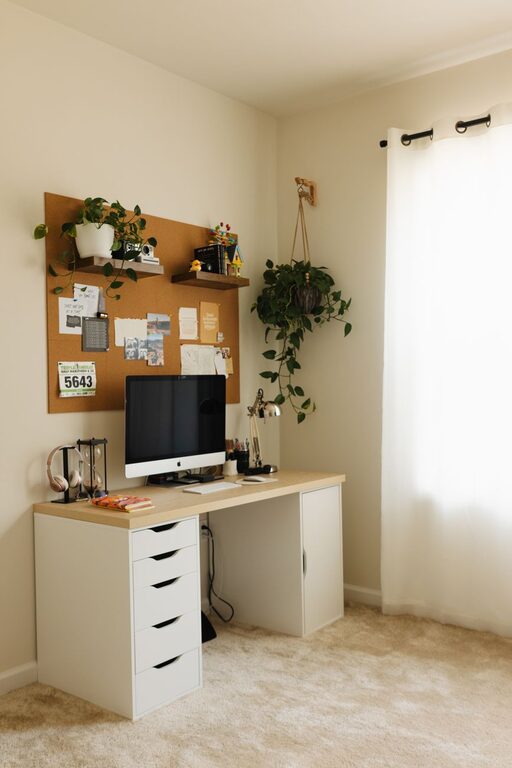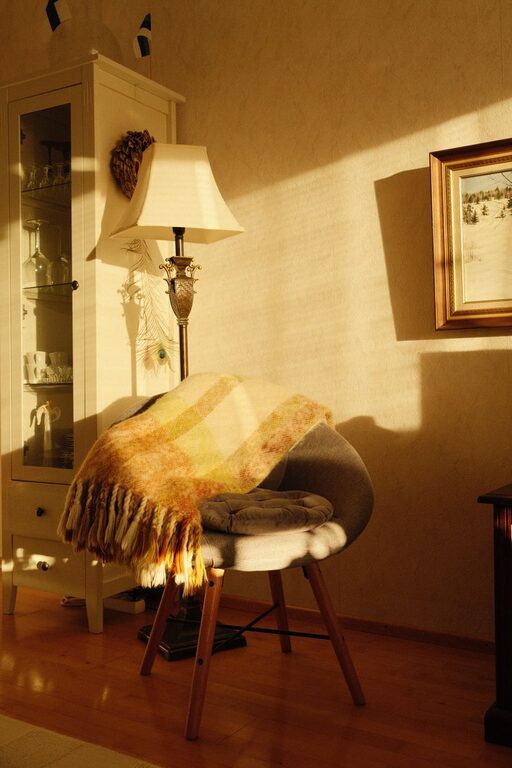



Creating a relaxing home office environment is crucial for maintaining focus, reducing stress, and improving your overall work-from-home experience. Since your workspace directly influences your mood and productivity, setting up a calm and inviting area can help you work more efficiently and feel better throughout the day. In this post, we’ll explore practical tips for designing a home office that promotes relaxation and helps you stay motivated.
Why a Relaxing Home Office Matters
Working from home offers flexibility but also brings distractions and stress. A cluttered, noisy, or uncomfortable space can lower your efficiency and increase fatigue. Conversely, a well-thought-out, relaxing environment encourages creativity, concentration, and satisfaction in your work. It’s not just about aesthetics; it’s about crafting a space that supports your mental and physical well-being.
1. Choose the Right Location
The first step is selecting the best spot for your home office.
– Natural Light: Aim for a space near a window to benefit from natural light. Sunlight boosts mood and helps regulate your sleep-wake cycle.
– Quiet Area: Pick a spot away from household noise or distractions. If that’s not possible, consider noise-canceling headphones or soft background music.
– Privacy: Ensure your workspace allows privacy, especially for video calls or focused work sessions.
2. Invest in Comfortable and Functional Furniture
Comfort is key when spending hours at your desk.
– Ergonomic Chair: Choose a chair that supports your back and encourages good posture.
– Proper Desk: Select a desk with enough space for your computer, documents, and other essentials. Standing desks are also an option if you prefer changing positions.
– Organized Layout: Arrange your furniture to allow easy movement and access to frequently used items.
3. Declutter and Organize
A tidy workspace reduces stress and distractions.
– Minimal Essentials: Keep only what you need on your desk.
– Storage Solutions: Use shelves, drawers, or boxes to store supplies and paperwork.
– Cable Management: Use clips or ties to keep cords organized and out of the way.
4. Use Calming Colors and Decor
Colors influence mood and energy levels.
– Soft Shades: Light blues, greens, and neutral tones are calming and help maintain focus.
– Personal Touches: Add plants, artwork, or inspiring quotes to make the space inviting.
– Avoid Overcrowding: Decorate without overwhelming the space to maintain tranquility.
5. Incorporate Plants
Living plants add life and improve air quality.
– Easy-to-Care Plants: Consider options like snake plants, pothos, or succulents.
– Placement: Position plants where they’re visible but won’t interfere with your workspace.
– Benefits: Plants can reduce stress and boost productivity.
6. Control Noise Levels
Noise control helps maintain concentration.
– White Noise: A fan or white noise machine can mask disruptive sounds.
– Soundproofing: Consider rugs, curtains, or foam panels to absorb sound.
– Headphones: Use noise-canceling headphones to create a personal sound bubble.
7. Optimize Lighting
Good lighting reduces eye strain and creates a pleasant atmosphere.
– Layered Lighting: Combine natural light, overhead lights, and task lighting.
– Adjustable Lamps: Use desk lamps with adjustable brightness and positioning.
– Avoid Glare: Position screens to reduce reflections and glare from windows or lights.
8. Set Boundaries and Create Rituals
Help your mind associate your space with work and relaxation.
– Work Hours: Set specific times to start and end work.
– Break Area: If possible, have a separate spot for breaks to refresh your mind.
– Startup Rituals: Begin your day with a consistent routine like making tea or organizing your desk.
9. Incorporate Technology Wisely
Smart use of technology can enhance comfort and efficiency.
– Wireless Devices: Reduce clutter with wireless keyboards and mice.
– Blue Light Filters: Use screen protectors or software to reduce eye fatigue.
– Charging Stations: Have a dedicated spot to recharge devices, keeping cables organized.
10. Keep the Air Fresh and Comfortable
Good air quality and temperature impact your comfort.
– Ventilation: Open windows regularly or use air purifiers.
– Temperature Control: Use fans, heaters, or humidifiers as needed.
– Scent: Consider subtle scents like lavender or eucalyptus for relaxation.
—
Creating a relaxing home office doesn’t require a big budget or complicated changes. Small steps like decluttering, adding plants, or adjusting lighting can dramatically improve your workspace atmosphere. By tailoring your environment to promote calm and focus, you’ll create a space that supports your productivity and well-being every day.
Remember, your home office should be a place where you feel comfortable and inspired. Start with these tips, and adapt the space to fit your personal preferences and work style. Happy decorating!