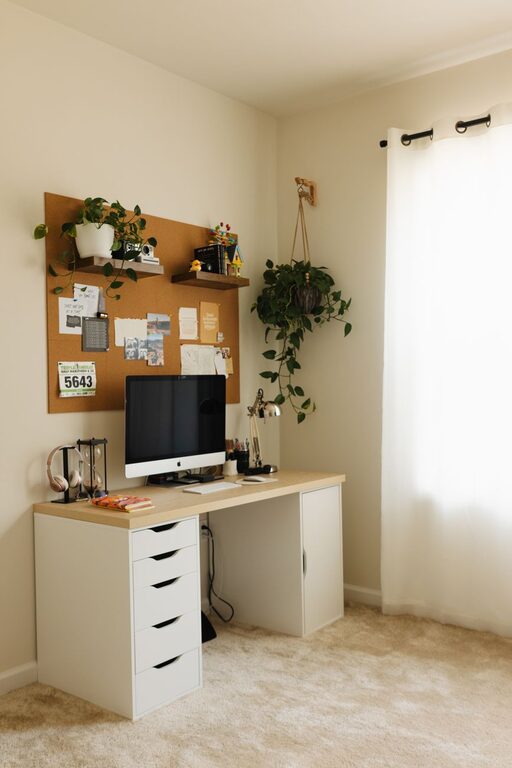


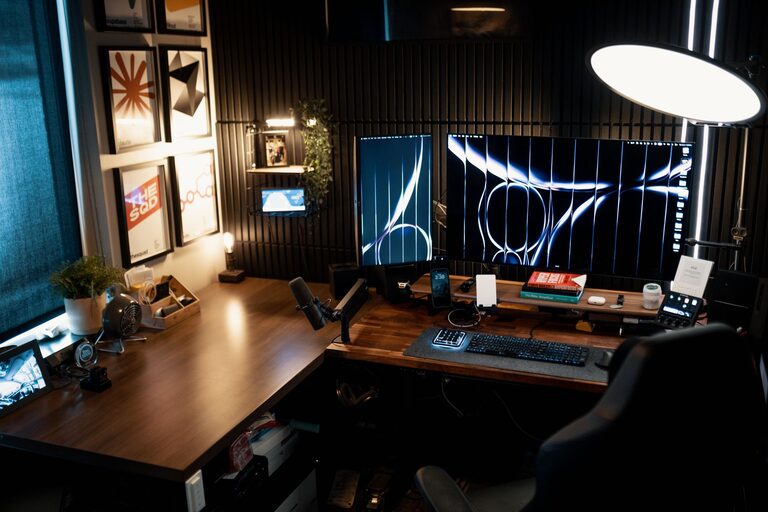
Creating a cozy and functional home office space can make a significant difference in your daily work routine. Whether you work from home full-time, need a dedicated spot for occasional tasks, or want a stylish area for creative projects, designing an environment that balances comfort and efficiency is key. In this post, we’ll share practical tips on setting up a home office that feels inviting and helps you stay focused.
Why a Cozy and Functional Home Office Matters
More people are working remotely than ever before, making the home office an essential part of the household. A well-planned space can:
– Improve focus and productivity
– Reduce stress and fatigue
– Encourage better work habits
– Create clear boundaries between work and home life
Let’s explore how to create an office space that supports these goals.
Choose the Right Location
Selecting the best spot for your office sets the foundation for comfort and functionality.
Consider Natural Light
Natural light can boost mood and energy, so try to choose a room or corner near a window. If that’s not possible, invest in quality daylight bulbs that mimic natural light.
Minimize Distractions
Look for a quiet area away from high-traffic parts of your home. A spare room, a nook, or even a section of a larger room can work well as long as it provides some privacy.
Think About Space Needs
Make sure there’s enough room for your desk, chair, and storage. You don’t want to feel cramped or cluttered.
Invest in Comfortable and Ergonomic Furniture
Comfort plays a big role in how long and how well you work.
– Desk: Choose a desk that fits your space and suits your work style. Some may prefer a standing desk or a height-adjustable model.
– Chair: Find an ergonomic chair with adjustable features like seat height, backrest tilt, and lumbar support. Sitting correctly reduces back and neck strain.
– Accessories: Consider a footrest, keyboard tray, or monitor stands to maintain proper posture.
Create Smart Storage Solutions
Keeping your office tidy and organized is essential to productivity.
– Use shelves, filing cabinets, or wall organizers to store documents and supplies.
– Label storage bins and drawers so you can find what you need quickly.
– Keep frequently used items within arm’s reach, and store less-used things away.
Personalize Your Space Thoughtfully
Personal touches can make your workspace feel more welcoming, but avoid clutter.
– Add plants to improve air quality and bring a touch of nature indoors.
– Choose artwork or decor that inspires you, such as motivational prints or calming images.
– Use colors that promote focus and relaxation, like soft blues, greens, or neutrals.
Optimize Lighting for Comfort and Efficiency
Good lighting reduces eye strain and keeps you alert.
– Combine natural light with layered lighting options: task lamps for focused work and ambient lights for general illumination.
– Position lights to avoid glare on your computer screen.
– Use adjustable lamps to control brightness based on your needs.
Set Up Technology Thoughtfully
Ensure your technology supports your work without causing frustration.
– Invest in a reliable internet connection and high-quality peripherals like a keyboard and mouse.
– Keep cords organized with clips or cable management systems.
– Back up important files regularly and maintain your devices to prevent issues.
Establish Boundaries to Improve Focus
Having clear work/home separation helps maintain productivity.
– Use a room divider, curtain, or furniture arrangement to define your office area.
– Set specific work hours and communicate them with others in your household.
– Develop routines that help you transition into and out of work mode.
Add Comfort Features for Well-Being
Small additions can make a big difference in comfort.
– Use a soft rug or cushion underfoot.
– Keep a water bottle nearby to stay hydrated.
– Incorporate aromatherapy or air purifiers for a pleasant environment.
Keep It Flexible
Your needs may change, so design a space that can adapt.
– Choose modular furniture that can be rearranged.
– Keep extra storage options handy.
– Regularly reassess your setup and make adjustments as needed.
Final Thoughts
Creating a cozy and functional home office is about balancing comfort with practicality. By carefully selecting your location, investing in ergonomic furniture, organizing your supplies, personalizing your space, and managing lighting and technology, you’ll create an environment that supports your best work. Remember, your home office should be a place where you feel inspired, comfortable, and focused—so take the time to design it just right for you.