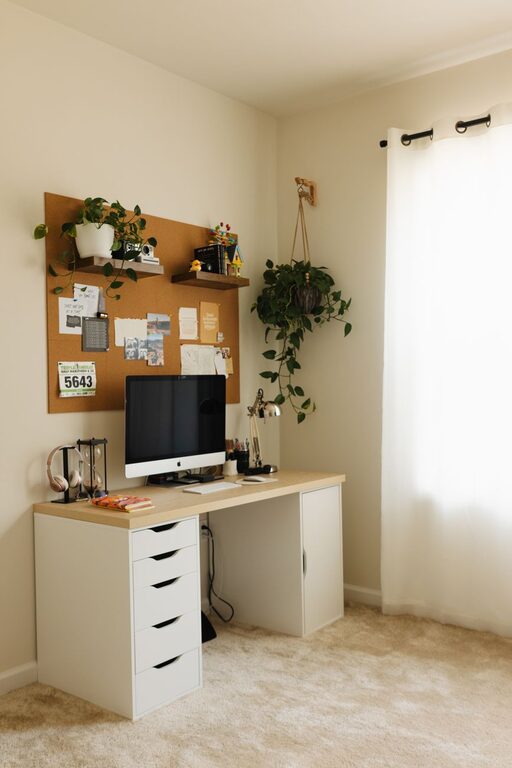



Creating a relaxing home workspace is essential for maintaining productivity and well-being, especially when working remotely or spending long hours on projects. A thoughtfully arranged workspace not only helps improve focus but also reduces stress and creates a positive environment where creativity can flourish. If you’re looking to enhance your home office or study area, here are some practical tips to design a calming and productive workspace.
Choose a Quiet, Dedicated Space
One of the first steps in creating a relaxing workspace is selecting the right location. Ideally, find an area in your home that is quiet and away from high-traffic zones like the kitchen or living room. A dedicated space helps your brain associate that spot with work, making it easier to concentrate.
– Consider a spare room, a corner of a bedroom, or even a nook by a window.
– If space is limited, designate a small area with a desk and chair just for work.
Use Comfortable and Supportive Furniture
Comfort plays a significant role in how relaxed and productive you feel. Investing in ergonomic furniture can make a big difference over time.
– Choose a chair that supports your lower back and encourages good posture.
– Use a desk at the correct height to avoid straining your wrists and shoulders.
– Adjustable furniture options allow you to switch between sitting and standing.
Optimize Lighting for Calm and Focus
Lighting influences both mood and productivity. Natural light is the best option if available, as it reduces eye strain and keeps you alert.
– Position your desk near a window to maximize daylight.
– Use soft, warm lighting during evenings or when natural light is limited.
– Avoid harsh overhead lights or glare on your computer screen.
Declutter and Organize Your Space
A cluttered workspace can create mental clutter and distractions. Keeping your area tidy helps promote relaxation.
– Use organizers, trays, and shelves to keep supplies in order.
– Keep only the essentials on your desk to maintain a clean surface.
– Regularly clear out unnecessary papers and items.
Add Calming Elements and Personal Touches
Incorporating calming and inspiring objects into your workspace can improve your mood and keep you motivated.
– Add greenery like potted plants, which can reduce stress and increase oxygen levels.
– Display artwork or photos that make you feel happy and relaxed.
– Use soothing colors like soft blues, greens, or neutrals in your décor.
Manage Noise for a Peaceful Environment
Background noise can be distracting or stressful. Managing sound helps create a peaceful setting.
– Use noise-cancelling headphones if ambient noise is unavoidable.
– Play soft instrumental music or nature sounds to improve concentration.
– Consider adding soft textiles like rugs or curtains to help absorb sound.
Establish Clear Boundaries and Routine
A relaxing workspace is also about your approach to work. Setting boundaries reduces anxiety and helps you maintain balance.
– Set specific work hours and stick to them.
– Avoid using your workspace for non-work activities.
– Take regular breaks to stretch and rest your eyes.
Incorporate Movement and Comfort Breaks
Sitting for long periods can cause tension and reduce productivity. Encouraging movement during the workday keeps you refreshed.
– Set a timer to remind yourself to stand up and stretch every hour.
– Use a small yoga mat or foam roller for quick breaks.
– Try simple desk exercises to relieve stiffness.
Keep Technology Organized and Minimal
Technology is necessary but can quickly become a source of distraction.
– Arrange cables neatly using clips or holders.
– Limit the number of devices on your desk to what’s essential.
– Use apps or tools that block distracting websites during work hours.
Refresh Your Workspace Regularly
Your workspace should evolve with your needs to continue providing a relaxing environment.
– Periodically update your décor or tools to keep the space interesting.
– Reassess your organizational methods to improve efficiency.
– Adjust lighting and seating arrangements as needed.
—
Creating a relaxing home workspace sets the foundation for improved focus, creativity, and productivity. By choosing the right environment, investing in comfort, and establishing good habits, you can turn your home office into a space that supports both your work and well-being. Start small with a few changes and enjoy the positive impact on your daily routine.